A Temple Most Visitors Rush Through
By nine in the morning, the parking area outside Tirta Empul is already lined with tour buses, and the queue for the changing rooms curls past the ticket booth. Guides move their groups through the grounds on a fixed clock: photos at the split gate, a few minutes at the holy spring pools, sarongs returned, back on the bus. Most visitors see the temple for less than an hour, sandwiched between Gunung Kawi and Tegalalang Rice Terraces on a day trip out of Seminyak or Kuta. What they miss is the temple outside that window, in the early morning quiet before the buses arrive, or in the evening once the last tour group has left.
Staying inside the valley changes the shape of the visit entirely. Instead of racing to fit Tirta Empul between two other stops, you can walk through the gate at seven, when the light is still soft and the pools are close to empty, or return after four, once the crowds have thinned for the day. The temple itself does not change. The version of Bali you get to see does.
Water Considered Sacred Since the 10th Century
Tirta Empul takes its name from the Balinese words for holy spring, and the temple around it dates to roughly 926 AD, built during the reign of King Sri Chandrabhaya Warmadewa. It is dedicated to Vishnu, the Hindu god associated with water and preservation, which is part of why the spring at its center has been treated as sacred for well over a thousand years rather than simply useful.
Balinese legend accounts for the water’s power a different way. As the story goes, the god Indra struck the ground to create the spring so it could revive his troops after they were poisoned by the demon king Mayadenawa. Whether you arrive believing the legend or simply respecting it, the spring still feeds the temple’s pools today, drawn directly from the ground rather than piped in from elsewhere.
What the Melukat Purification Ritual Involves
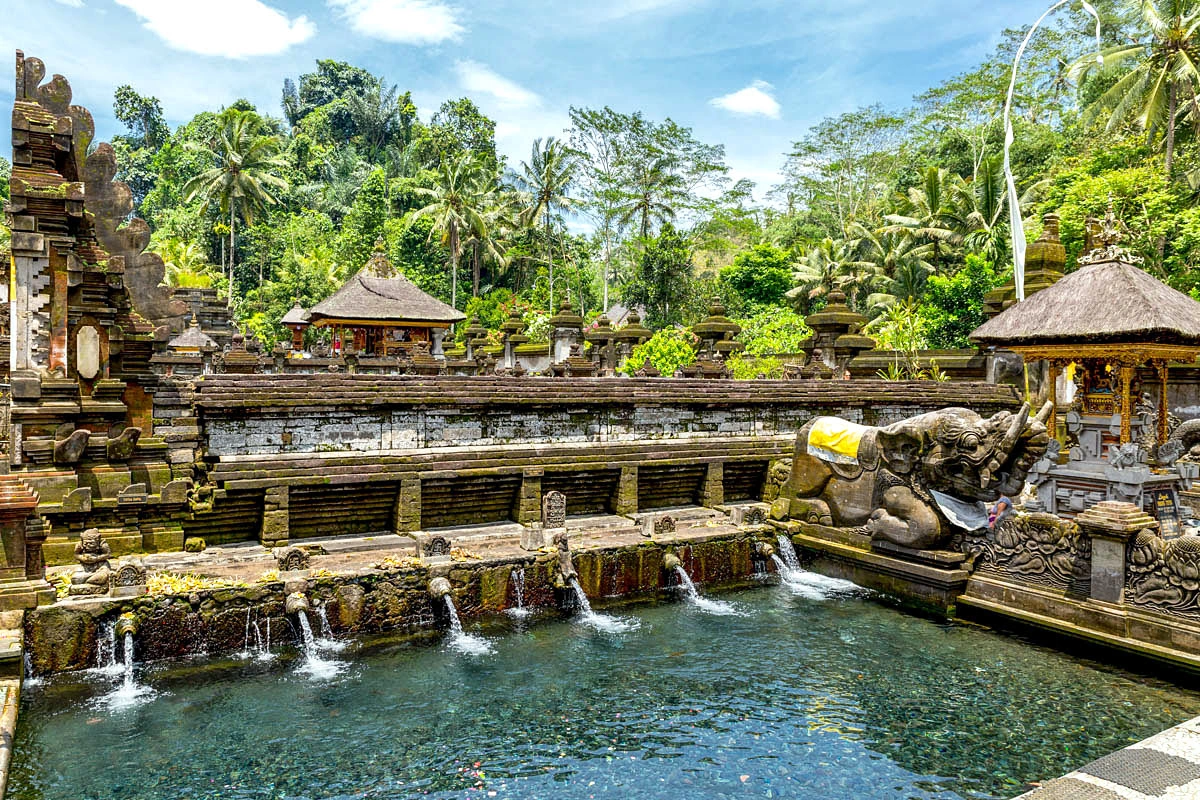
Melukat is the purification ritual performed at Tirta Empul’s bathing pools, where a row of carved spouts sends spring water into two long pools in sequence. You move from spout to spout, pausing under each one to pray before ducking under the stream, working through the full row rather than picking a single favorite fountain. Two of the spouts are set aside and skipped during the ritual, reserved for funeral rites rather than everyday purification.
Both men and women need a sarong and a sash to enter the pools or even walk the temple grounds, and rentals are available at the entrance for anyone who arrives without one. Balinese custom asks women who are menstruating to stay out of the main pools, and it asks every visitor, participating or not, to stay quiet and avoid stepping in front of anyone mid-ritual. Photographs are fine from a respectful distance, less so from inside someone else’s moment of prayer.
Non-Hindu visitors are welcome to take part in melukat, not just watch it from the edge. A guide or temple attendant can walk you through the sequence, which fountain to start at and which two to leave alone, so the ritual makes sense rather than feeling like guesswork borrowed from someone else’s religion.
The Valley Beyond the Temple Gate
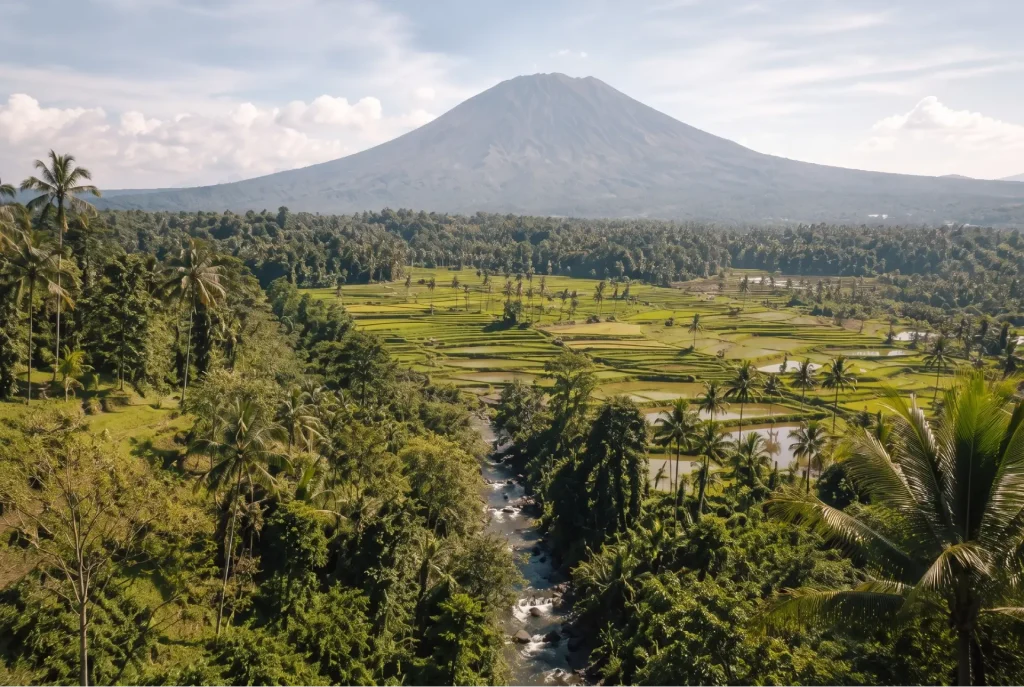
Tirta Empul sits inside a wider stretch of Tampaksiring that most day trip itineraries barely touch. Gunung Kawi, a set of eleventh century candi cut directly into a river cliff face, is about eight minutes away. Mengening Temple, quieter and rarely crowded, is closer still, and Pura Pegulingan adds a third ancient site within the same few kilometers. Together they form a cluster of temples that predates most of what travelers associate with Ubud, set inside a valley of rice terraces rather than a town center.
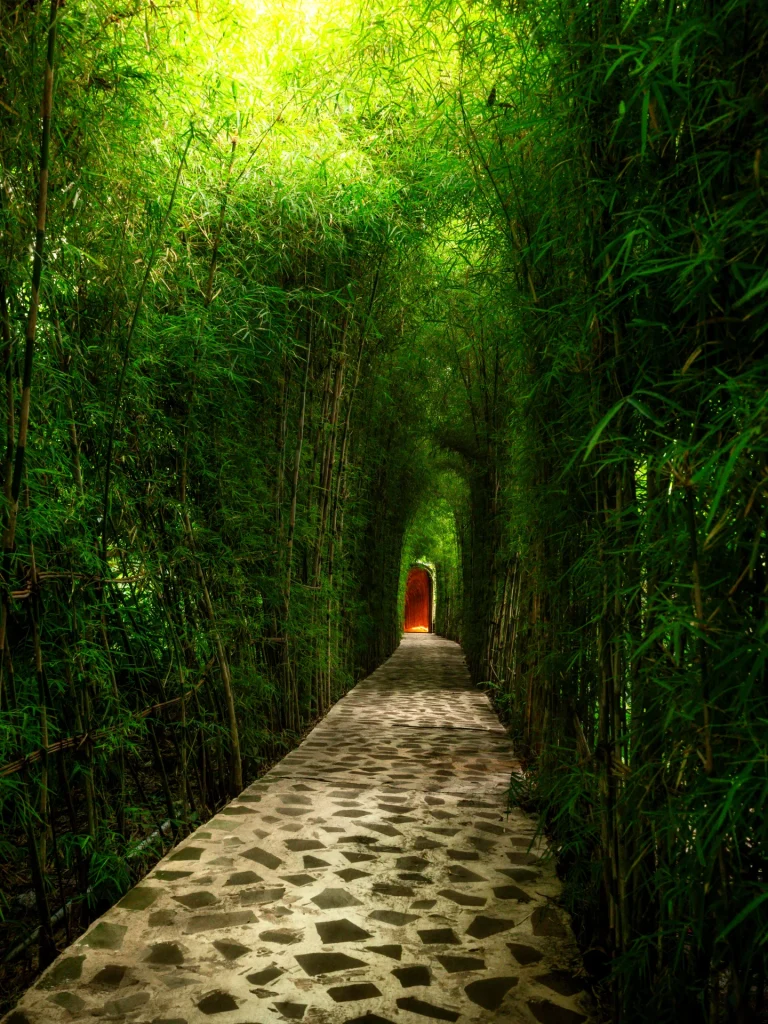
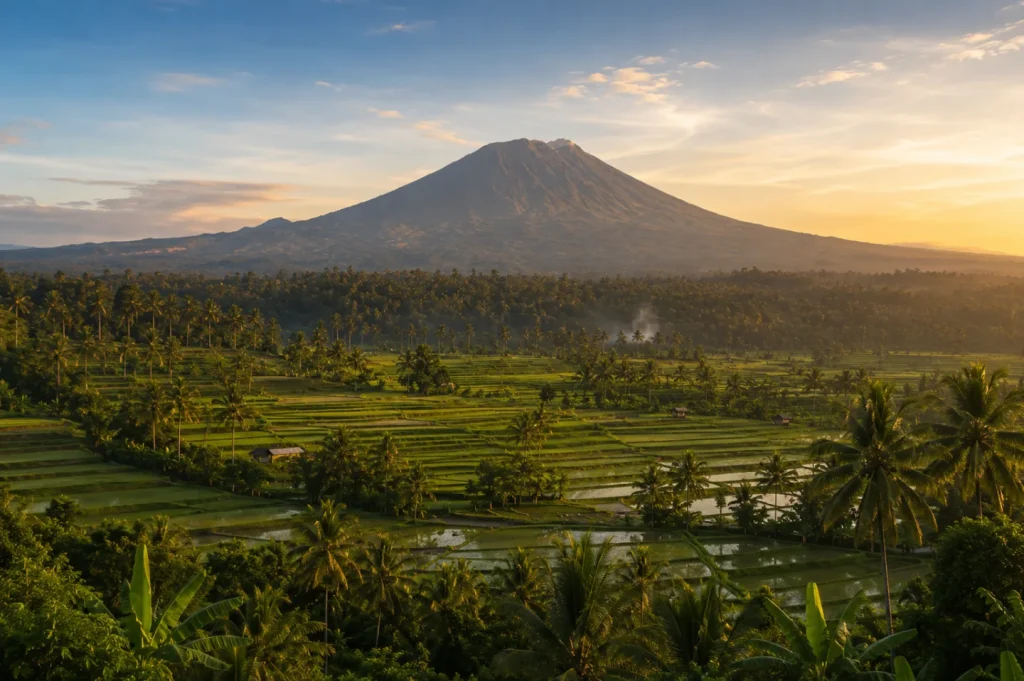
The village of Maniktawang runs through the middle of this valley, its farmland worked the same way it has been for generations, its pace set by planting and harvest rather than tour schedules. This is the Bali that exists around Tirta Empul once you stop treating the temple as an isolated stop and start treating the valley itself as the destination.
Bambootel Sawah View Sits Inside This Valley
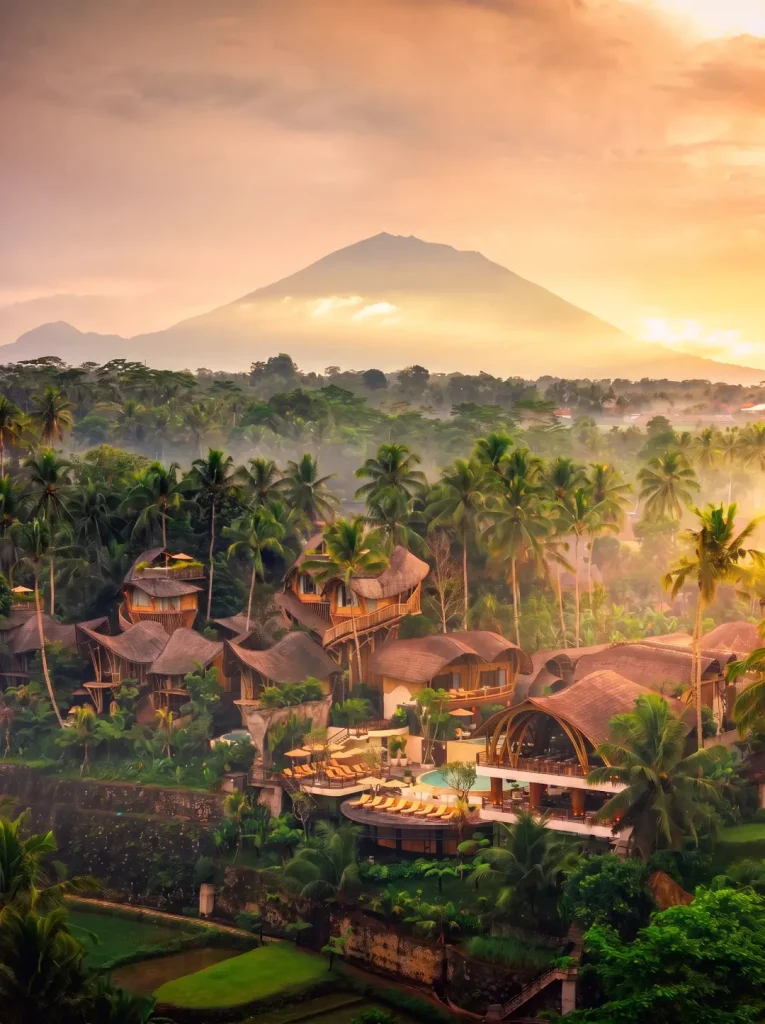
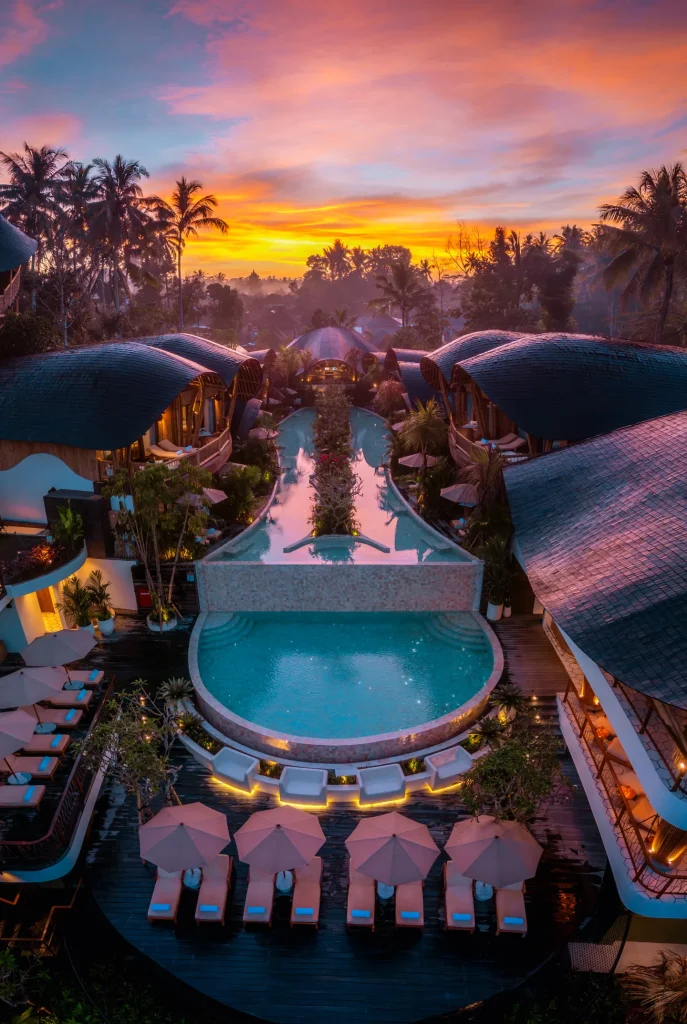
Bambootel Sawah View is built into this same stretch of Tampaksiring, in the village of Maniktawang, around 30 minutes north of central Ubud. Tirta Empul is roughly five minutes away by car, about 1.7 kilometers down the road, close enough that an early or late visit fits into a morning rather than requiring a half day excursion.
The resort can arrange a guided visit to Tirta Empul directly, along with the wider Maniktawang Ancient Tour, which takes in Gunung Kawi and Pura Pegulingan in the same outing. You can also join a water meditation at Mengening Temple, held most mornings at seven, before the rest of the valley has fully woken up. Each of these can be booked through the resort rather than arranged independently once you arrive.
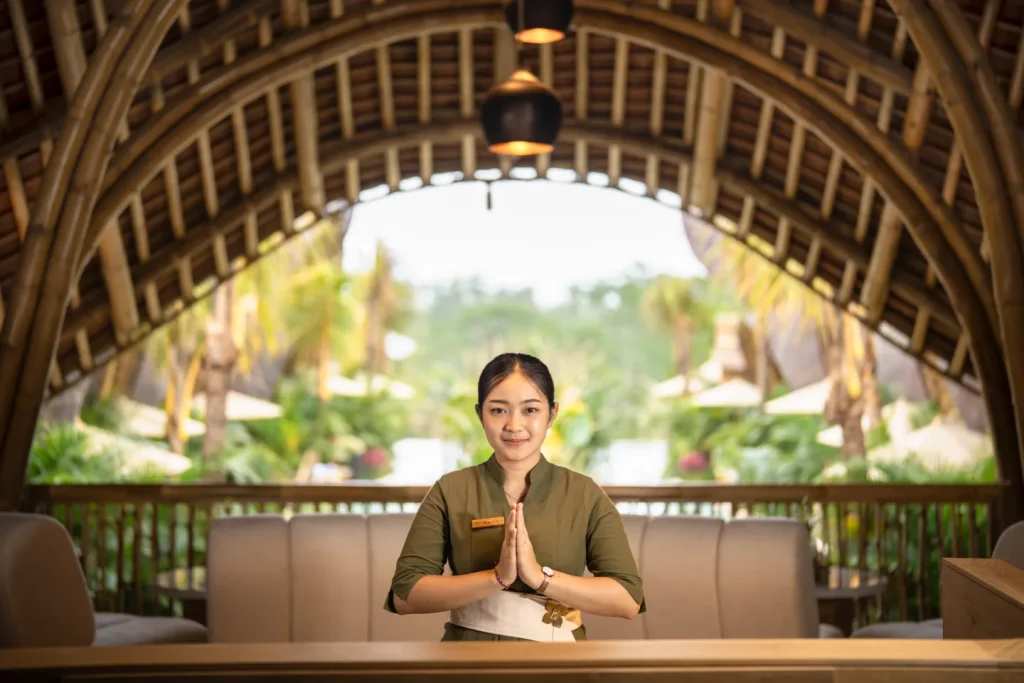
Before you check in, Bambootel asks what you actually want from the stay, from how firm you like your pillow to which activities interest you, so the details are already in place when you arrive rather than sorted out at the front desk. The bamboo architecture that shapes every villa and suite draws on the same relationship with the landscape that runs through the valley itself, built from a material that regrows within a few years rather than a forest that takes decades to recover.
Filling the Rest of a Stay in the Valley
Mornings can start with a guided walk through the rice fields surrounding Maniktawang, alongside a local guide who knows which paths are worth the extra ten minutes. Afternoons make room for a canang making session in traditional Balinese dress, learning the symbolism behind each flower and leaf rather than just assembling one for a photo.
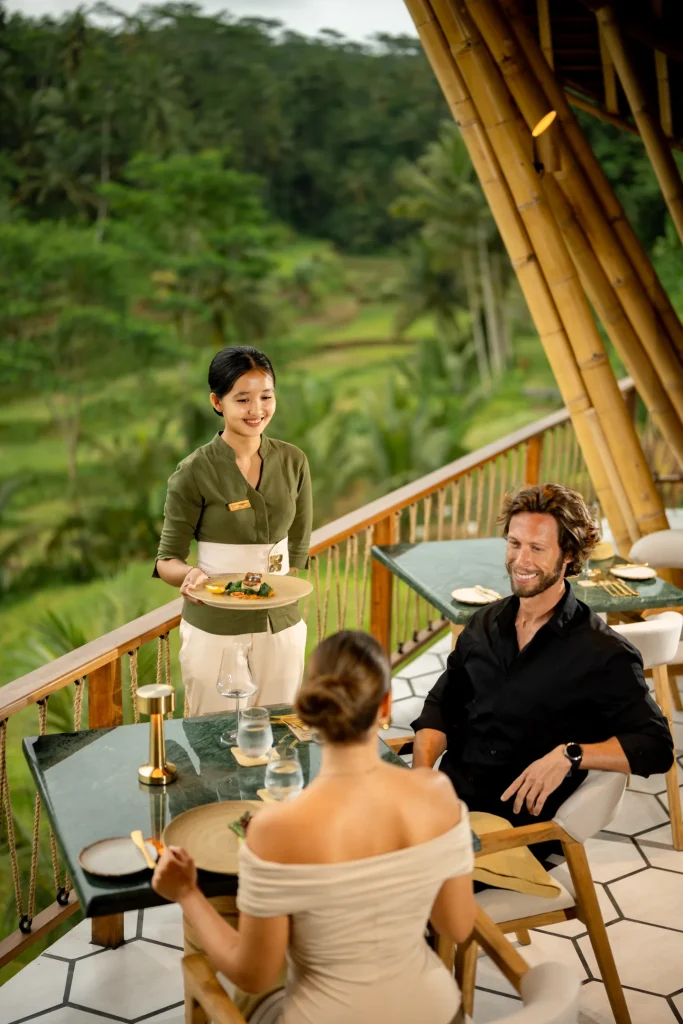
As the light changes in the late afternoon, you can gather for the resort’s sunset cocktail ritual overlooking the rice terraces, a quieter close to the day than the temple crowds ever see. Maniq restaurant hosts a Balinese cultural dinner with live dance and music every Thursday, and The Nini keeps things simpler for guests who would rather eat by the pool as the valley settles into evening.
Stay Five Minutes From Tirta Empul
Bambootel Sawah View sits inside the same Tampaksiring valley as the temple, close enough to visit before the tour buses arrive. Book directly through the resort for the current rates and availability.