Located just north of Ubud, Tampaksiring offers a quieter way to experience Bali. Here, the island reveals itself through the things that have always shaped daily life: the movement of water, the path between rice fields, the sound of a village preparing for ceremony, and the quiet presence of temples hidden among tropical greenery.
This is a side of Bali that cannot be rushed. A place where history is not kept behind glass, but remains part of everyday life. Where sacred waters continue to flow, farmers continue to cultivate the land, and generations of artisans continue to create through knowledge passed down over time.
Around Tampaksiring, nature, culture, and spirituality exist together. Ancient temples sit beside rivers. Sacred springs nourish both rituals and agriculture. Villages preserve traditions that connect people to the landscape around them.
These are some of the places that reveal the deeper spirit of Tampaksiring.
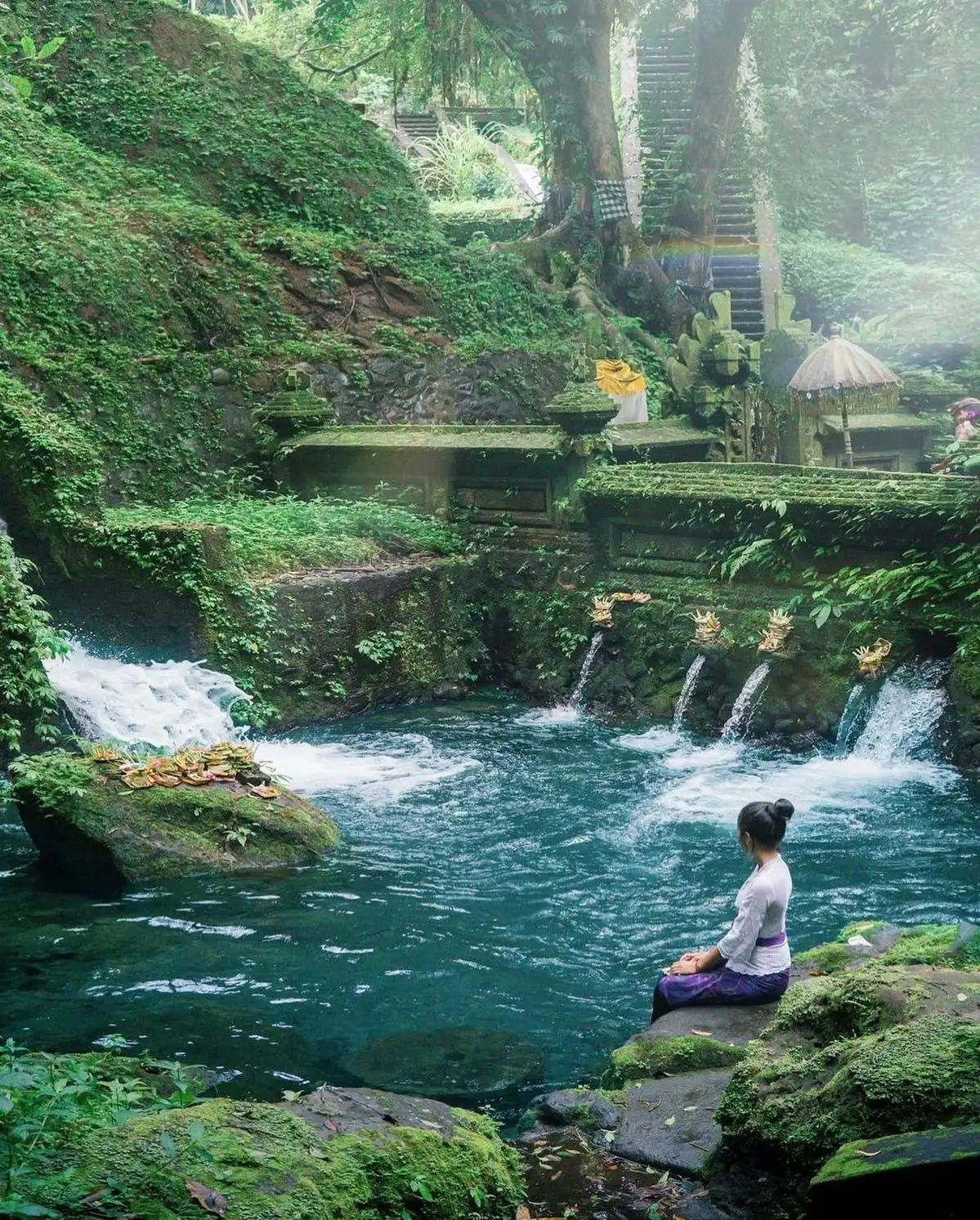
Pura Mengening, a sacred water temple near Ubud
Hidden among the greenery of Banjar Saraseda, Pura Mengening feels like a place discovered rather than visited.
Long before arriving at the temple, the sound of water begins to guide the way. Flowing from ten natural springs that have never run dry, the waters of Mengening have been considered sacred for generations.
The temple was historically used as a place for cleansing keris – traditional ceremonial daggers that hold deep cultural significance across Bali and Java – as well as a place for meditation and spiritual reflection.
Today, the springs continue to play an important role in Balinese Hindu traditions, with purification rituals taking place in their clear waters. Yet their importance extends beyond spirituality. The same springs also support the surrounding landscape, providing water for nearby rice fields and plantations that continue to sustain local communities.
At Mengening, nature and devotion exist side by side. The water that cleanses the spirit also sustains everyday life.
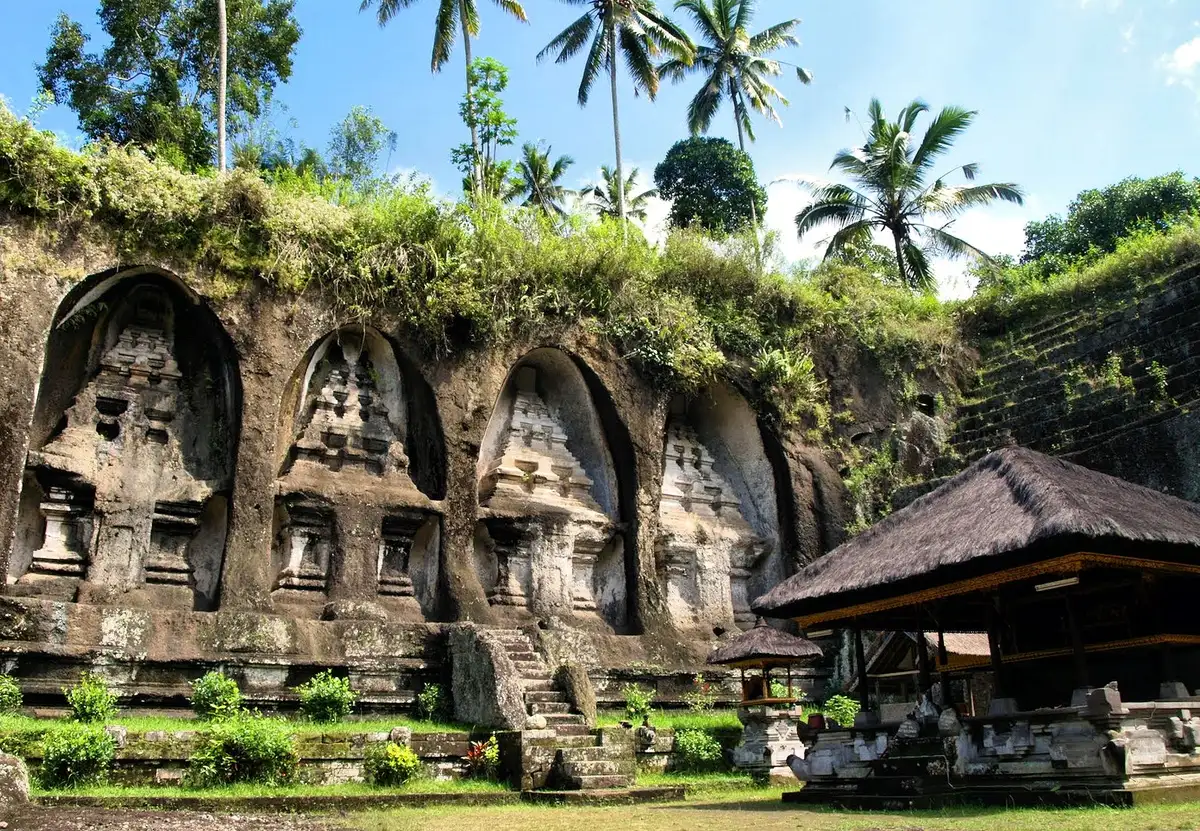
Gunung Kawi, exploring Bali’s ancient rock-cut temples
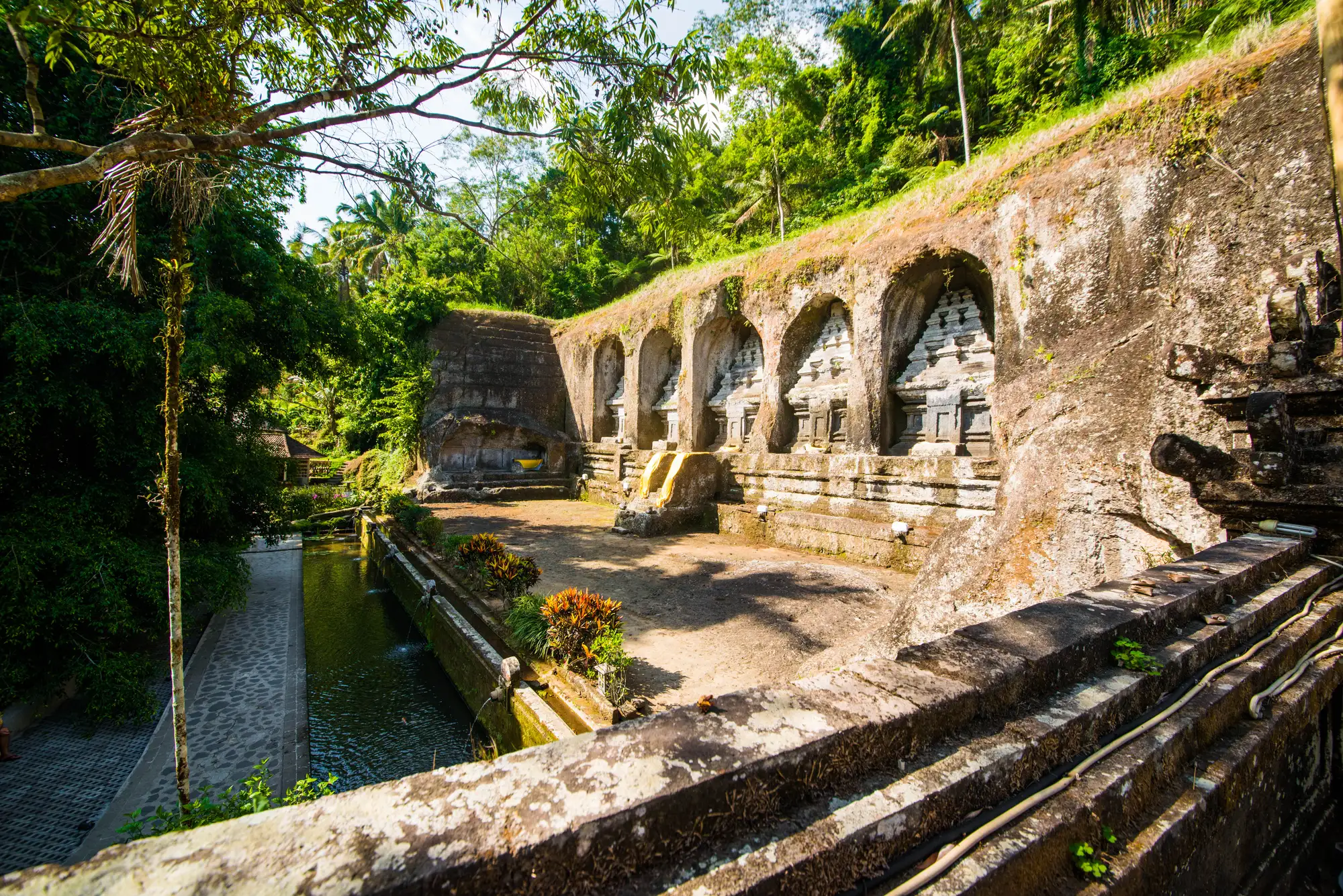
Further along the Pakerisan River lies one of Bali’s most remarkable historical sites: Gunung Kawi. Carved directly into the cliffs, the ten rock-cut shrines of Gunung Kawi have stood since the 11th century and are believed to have been created during the reign of King Anak Wungsu.
The journey to reach them is part of the experience. The path winds through lush greenery, past rice terraces and flowing water, gradually revealing a place where human craftsmanship and the natural landscape feel inseparable.
Standing before the enormous stone carvings, it is difficult not to wonder about the people who created them almost a thousand years ago. The tools they used. The patience required. The devotion behind shaping a mountain into a sacred monument.
Gunung Kawi is more than an ancient temple site. It is a reminder of how deeply connected Balinese culture has always been to the land itself.
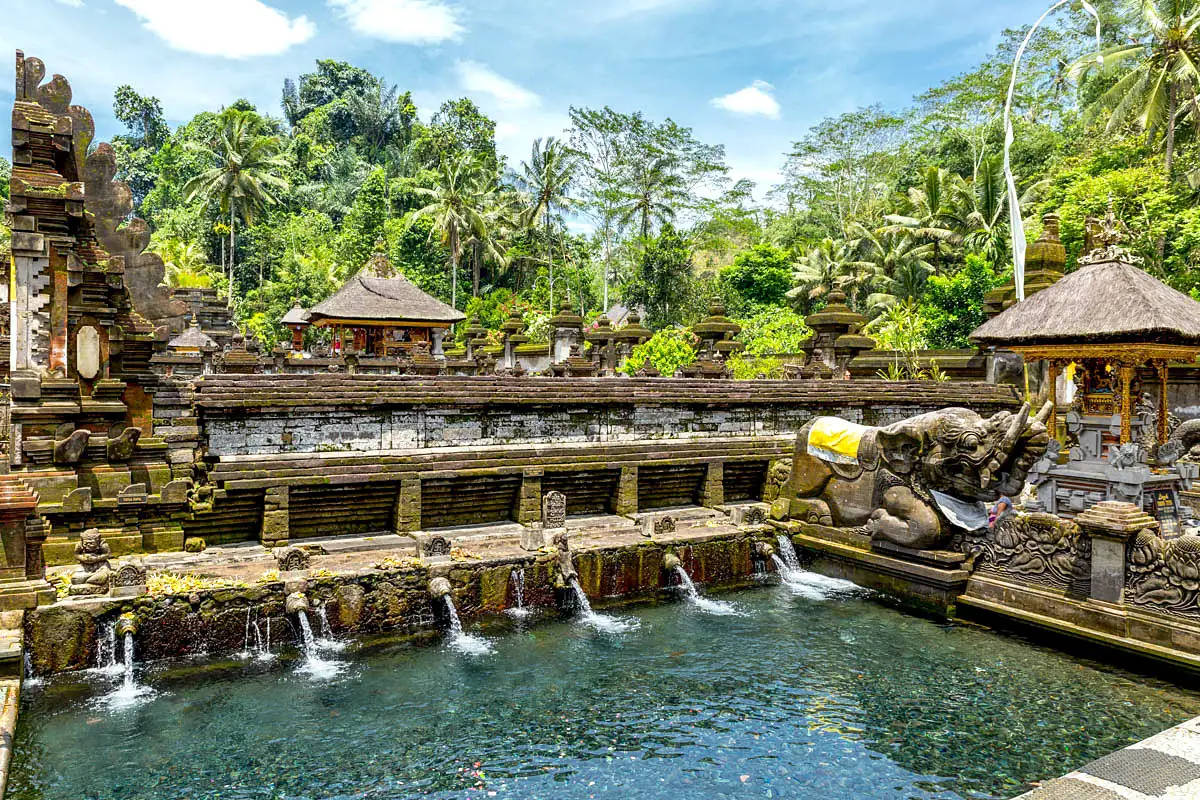
Tirta Empul, experience Bali’s sacred purification rituals
Few places represent Bali’s spiritual traditions more visibly than Tirta Empul.
Fed by a natural spring that has flowed for centuries, this sacred water temple near Tampaksiring is known for its purification pools, where visitors take part in melukat – a traditional cleansing ritual for the body, mind, and spirit.
The waters flow through holy fountains across the purification pools, each holding its own significance within the ceremony.
Yet beyond the ritual itself, what makes Tirta Empul special is the sense of continuity. People have gathered here for generations, following the same traditions, entering the same waters, and finding moments of reflection within the same sacred surroundings.
This is not a tradition preserved from the past, but one that continues to live today.
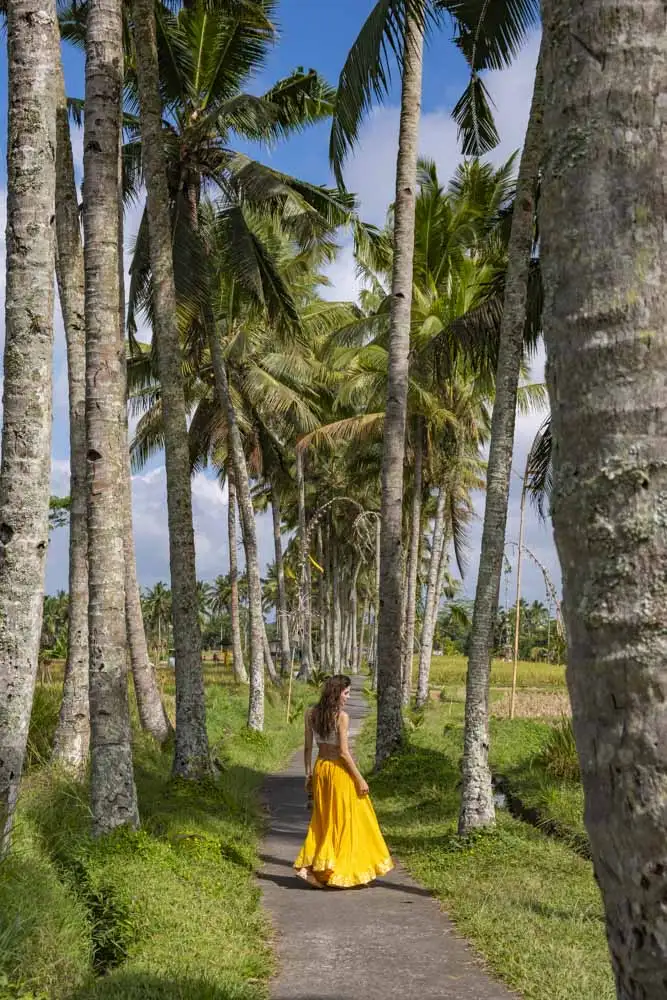
Mancingan Rice Terrace, discover rural Bali beyond the crowds
Not every meaningful place in Tampaksiring comes with an ancient monument. Some are found simply by walking.
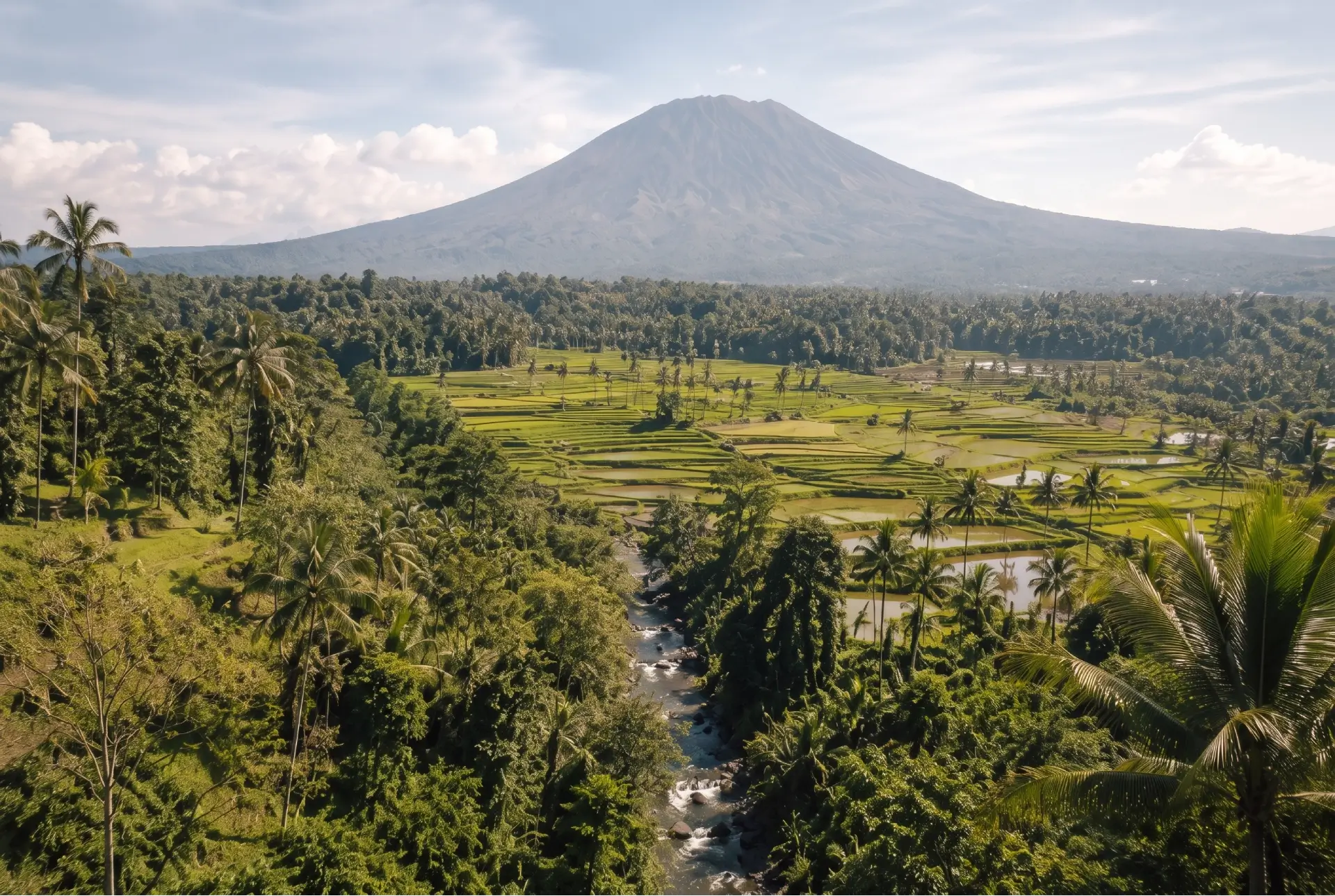
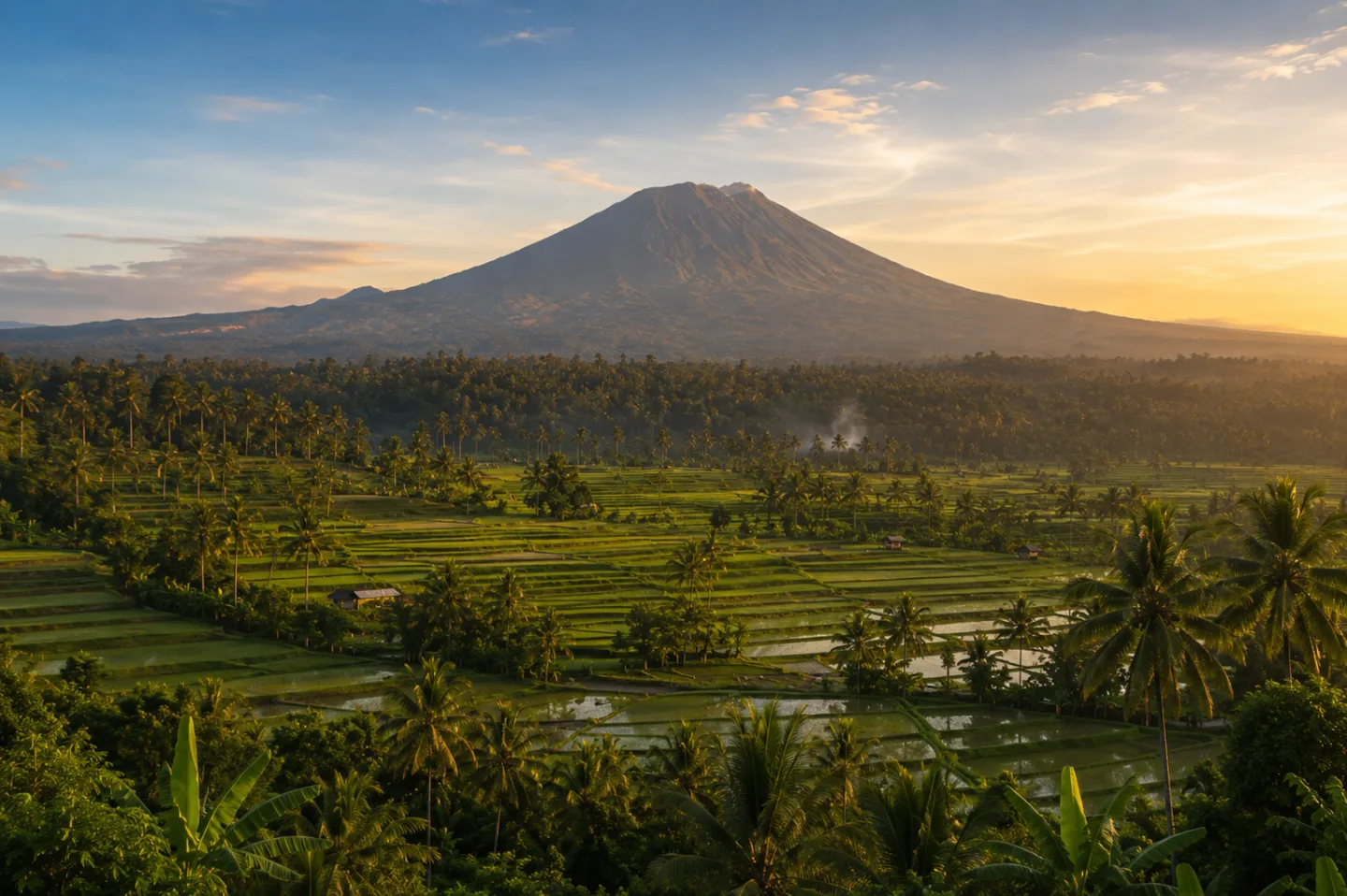
At Mancingan Rice Terrace, the beauty of Bali unfolds at the pace of everyday life. Here, rice fields remain a working landscape shaped by farmers who continue to follow the traditional Subak irrigation system that has connected communities and agriculture for centuries.
There are no crowds competing for the perfect photograph. No rush to arrive or leave. Instead, there are pathways between fields, changing shades of green, farmers tending their crops, and the quiet rhythm of rural Bali continuing around you.
Sometimes the most memorable views are the ones that are still being lived in.
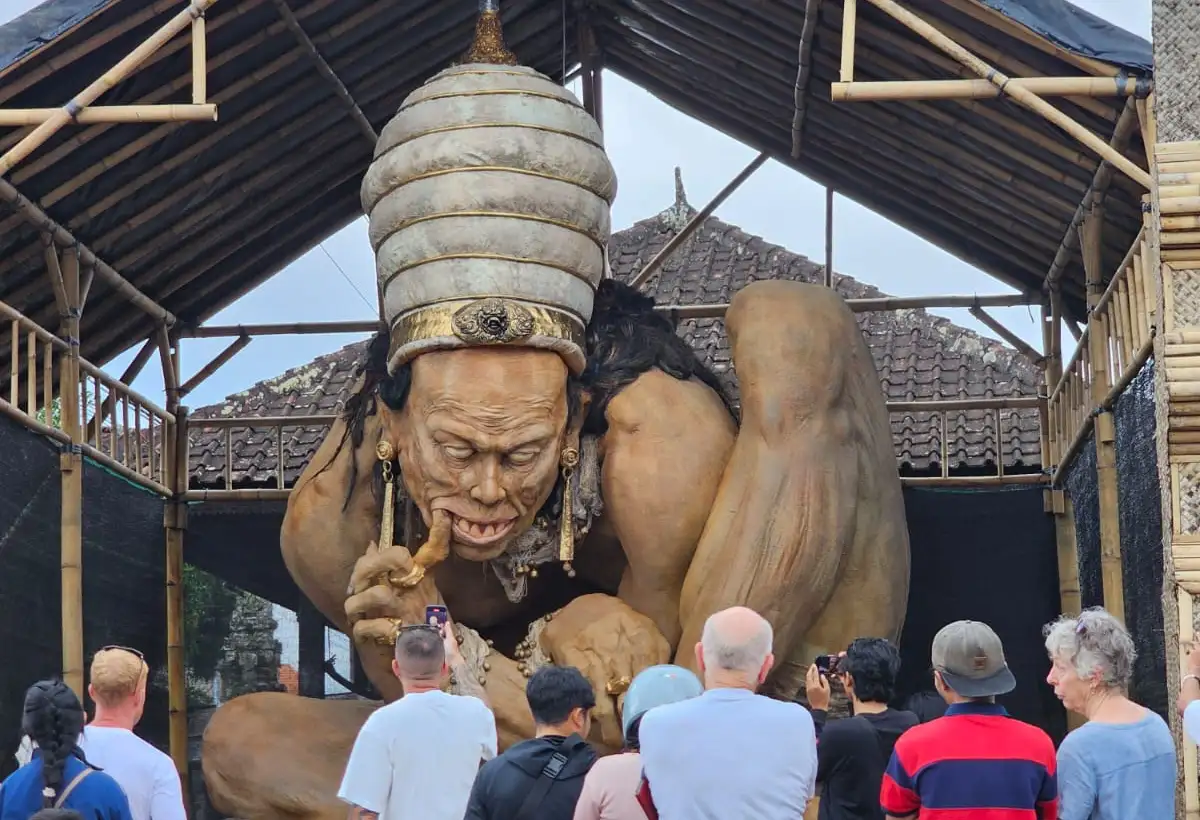
Tampaksiring’s living art and Balinese traditions
Tampaksiring is also home to a profound creative spirit.
Each year during Nyepi celebrations, communities across Bali create Ogoh-Ogoh – elaborate sculptures representing mythological beings and symbolic forces, traditionally paraded before the Day of Silence.
In Tampaksiring, this tradition has become a celebrated art form. Local craftspeople combine deep knowledge of Hindu mythology with extraordinary creativity, producing Ogoh-Ogoh that reflect imagination, skill, and devotion. These creations are not simply decorations. They represent storytelling, craftsmanship, and a living connection between generations.
Beyond festivals and ceremonies, this same spirit can be found throughout the villages surrounding Tampaksiring – in the hands of artisans, the preparation of offerings, and the daily practices that continue to shape island life.
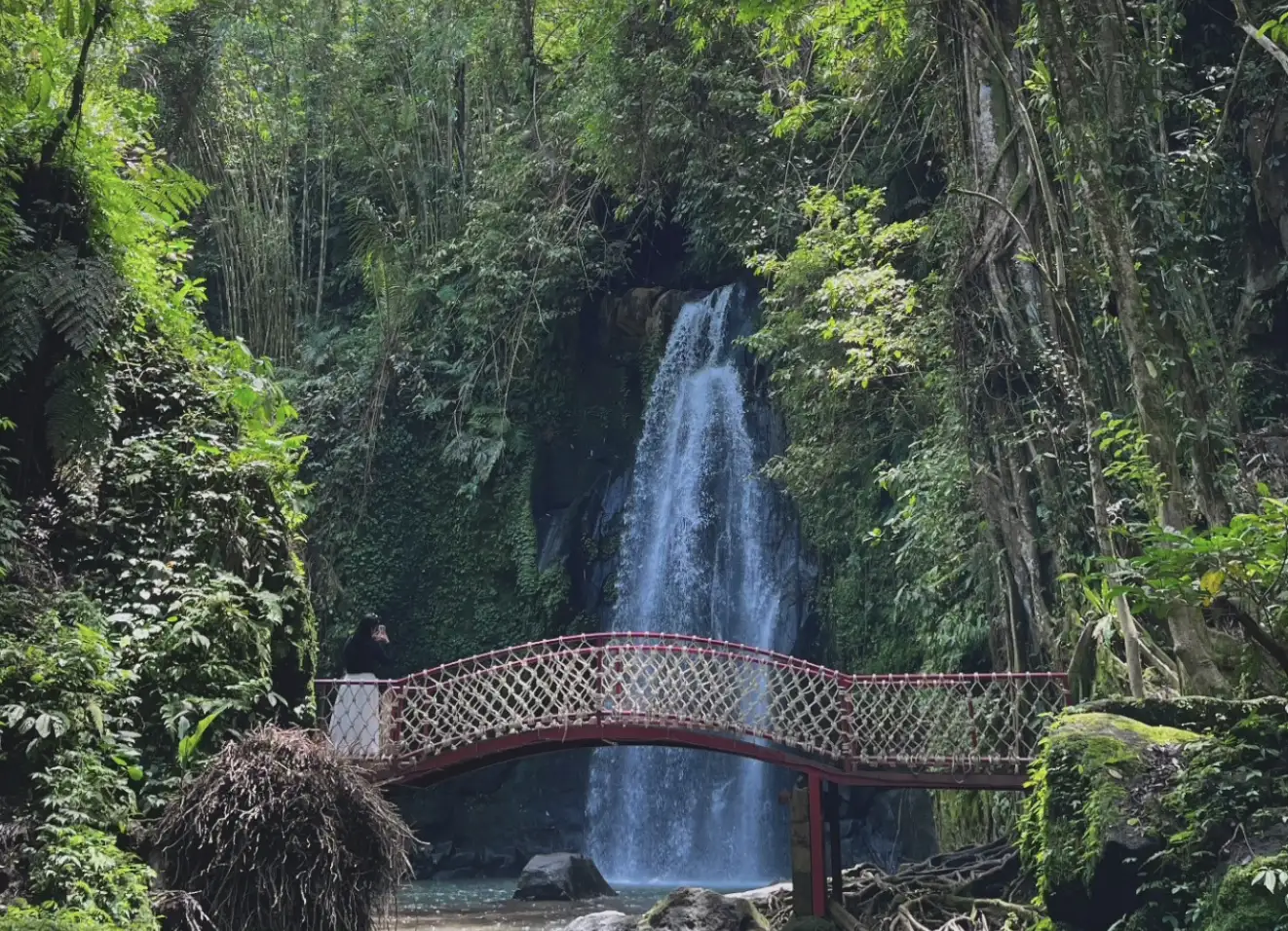
Ulu Petanu Waterfall, a quiet nature escape near Tampaksiring
Just beyond Tampaksiring, surrounded by tropical greenery, Ulu Petanu Waterfall offers a quieter encounter with Bali’s natural beauty.
The journey there leads through a peaceful landscape where the sounds of the forest gradually replace the energy of busier destinations. Crystal-clear water falls into a natural pool below, inviting visitors to slow down, swim, and simply spend time surrounded by nature.
It is not a place that asks for attention. Instead, it offers something much more valuable: space. A moment to pause. To listen. To reconnect with the landscape around you.
Discovering the Bali that remains
The most memorable places in Bali are not always the ones that appear first in a destination guide. Sometimes they are found by following the movement of water, taking a quieter path through the countryside, or spending time in a village where traditions continue without performance.
This is what makes Tampaksiring so special.
It’s a place where the past and present exist together. Where temples remain active, landscapes remain productive, and craftsmanship continues to tell stories.
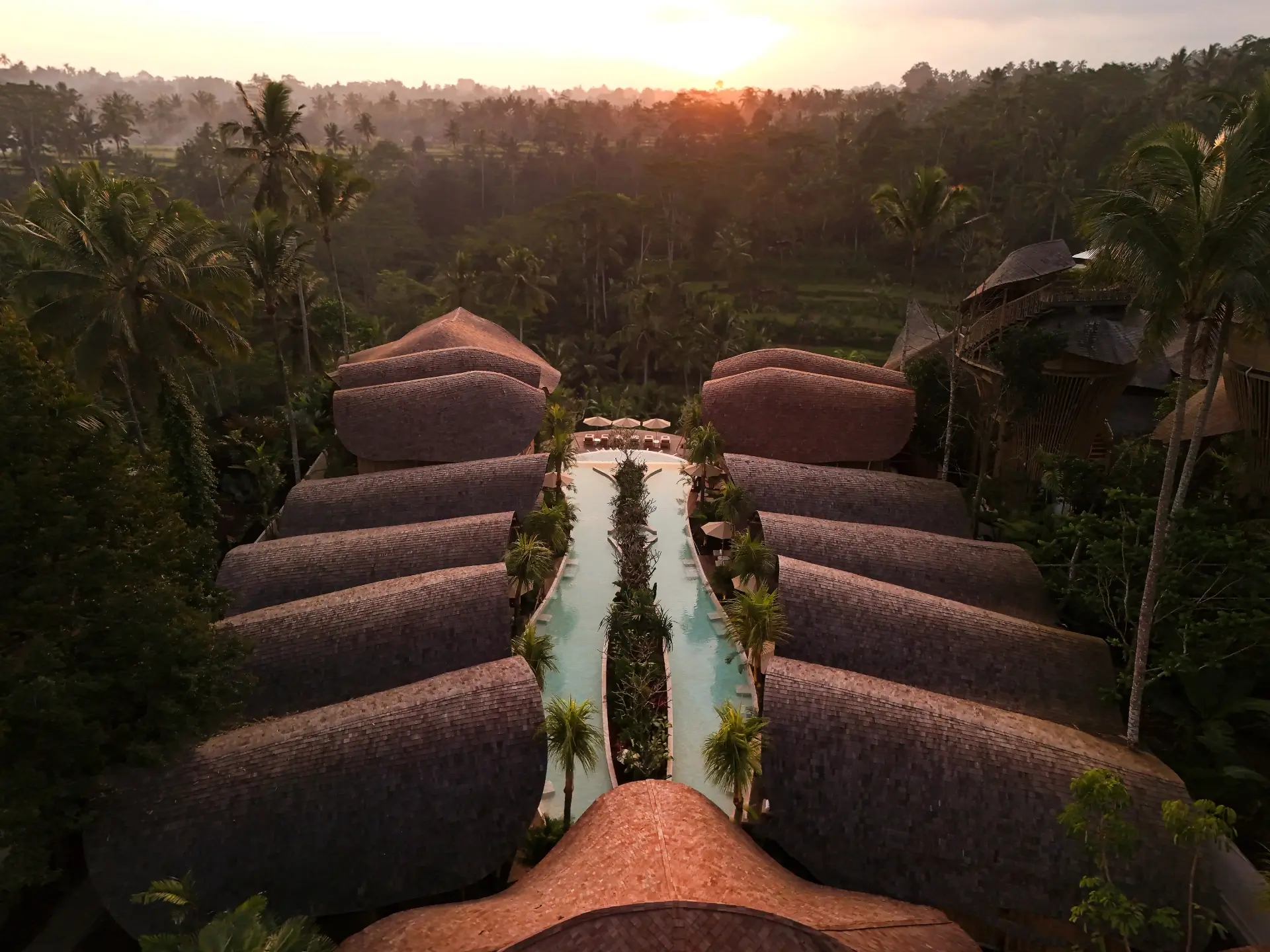
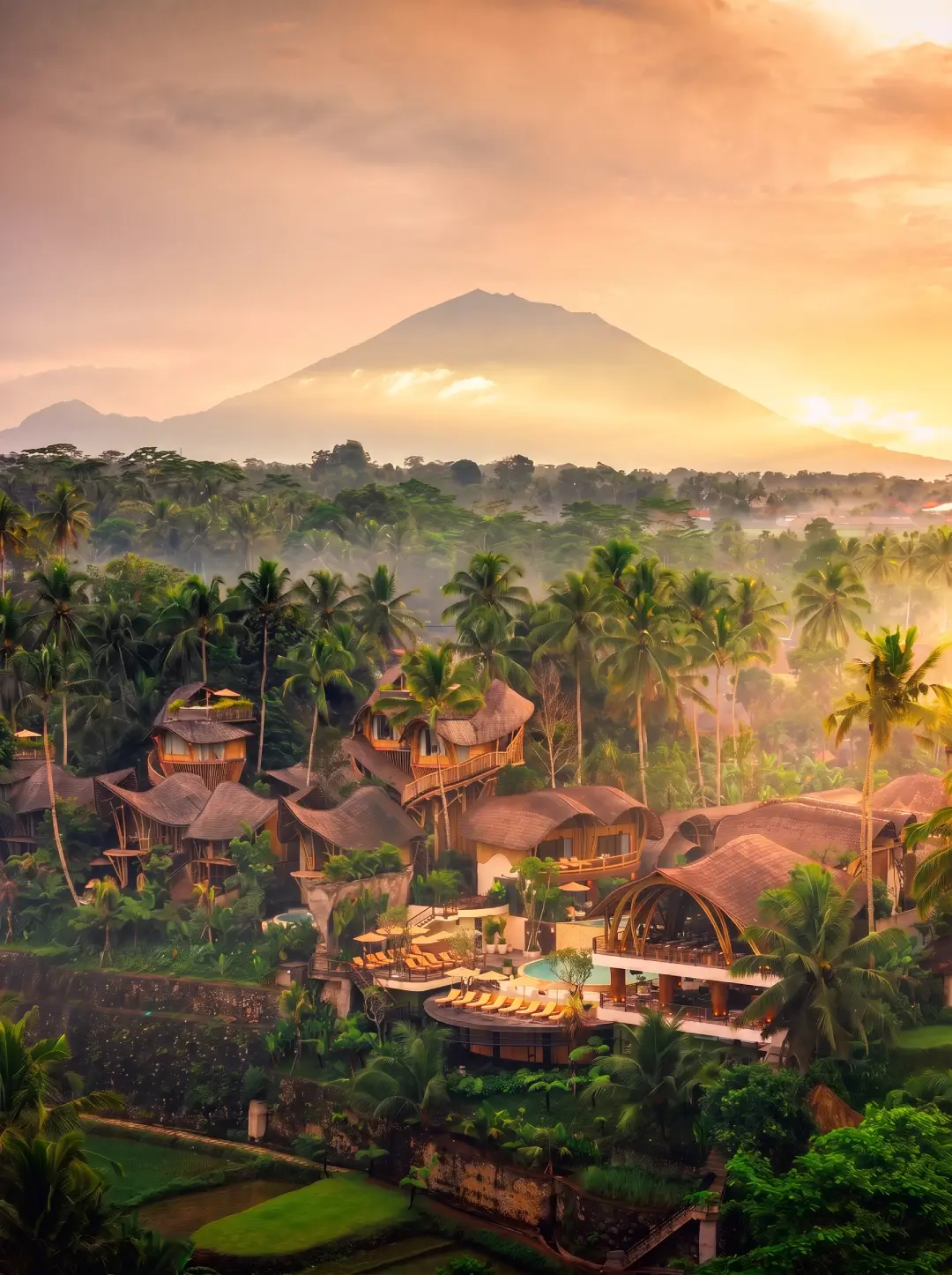
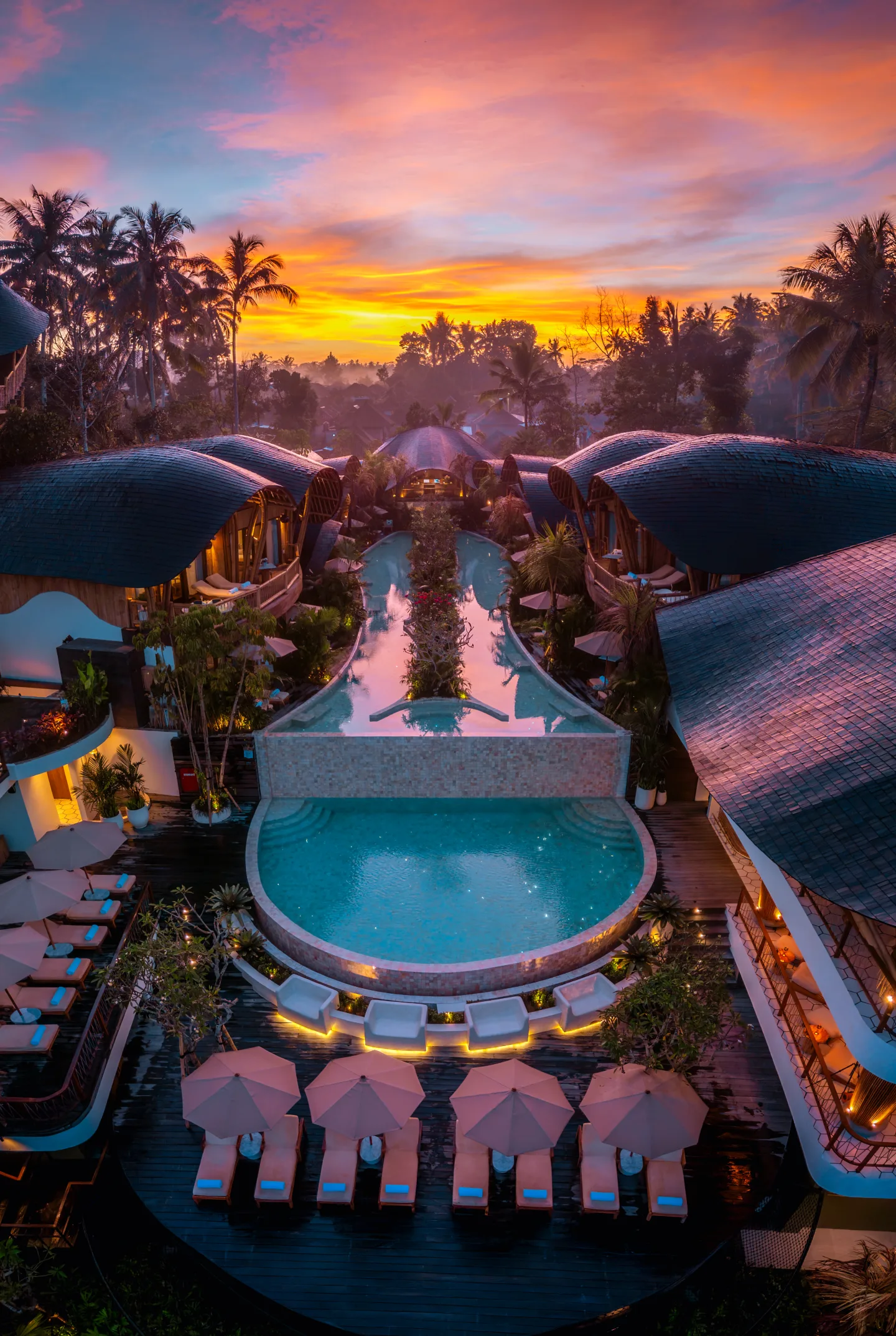
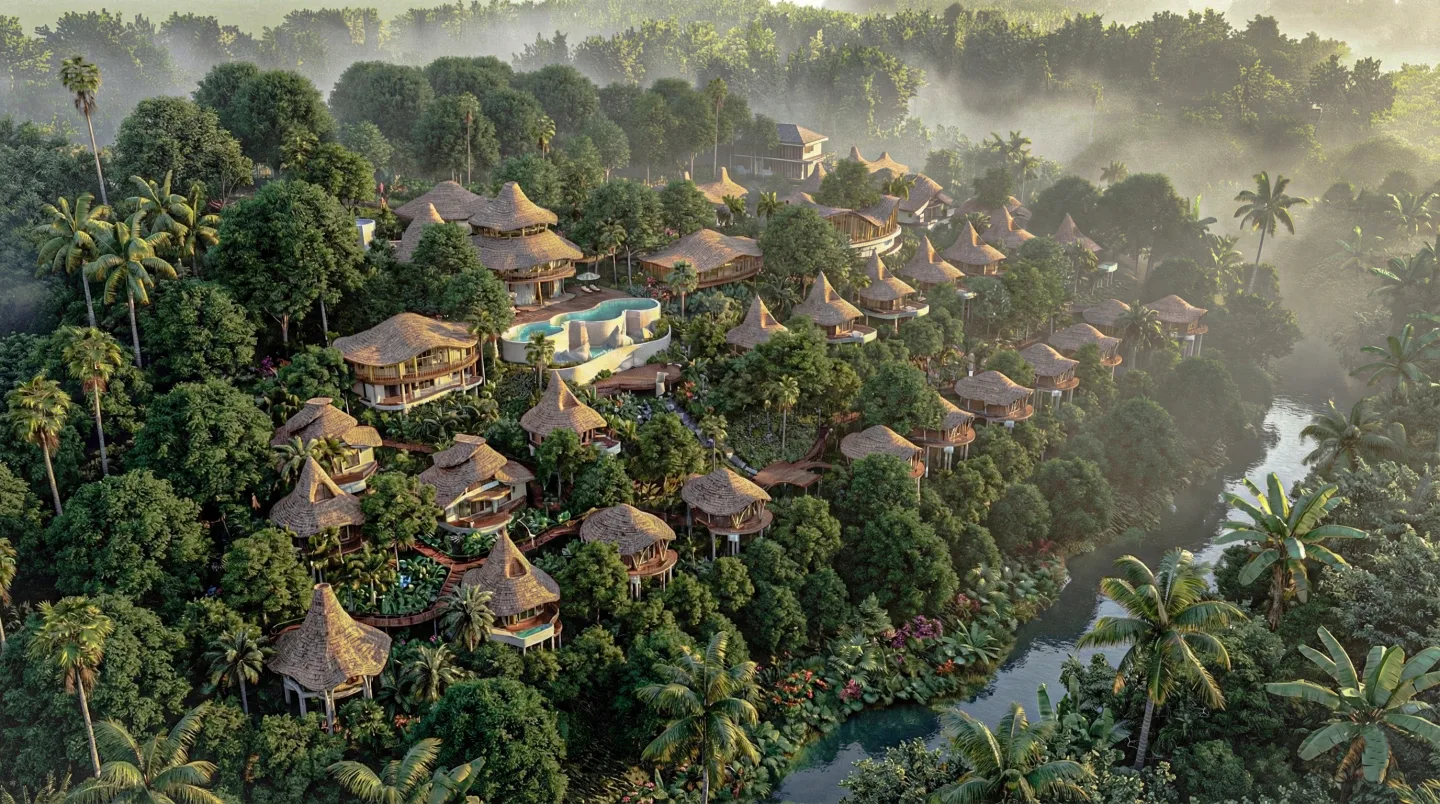
At Bambootel, this is the Bali we hope guests discover. Not only the island of famous landmarks, but the island of connections – between people and nature, between tradition and everyday life, and between where we come from and where we are going.
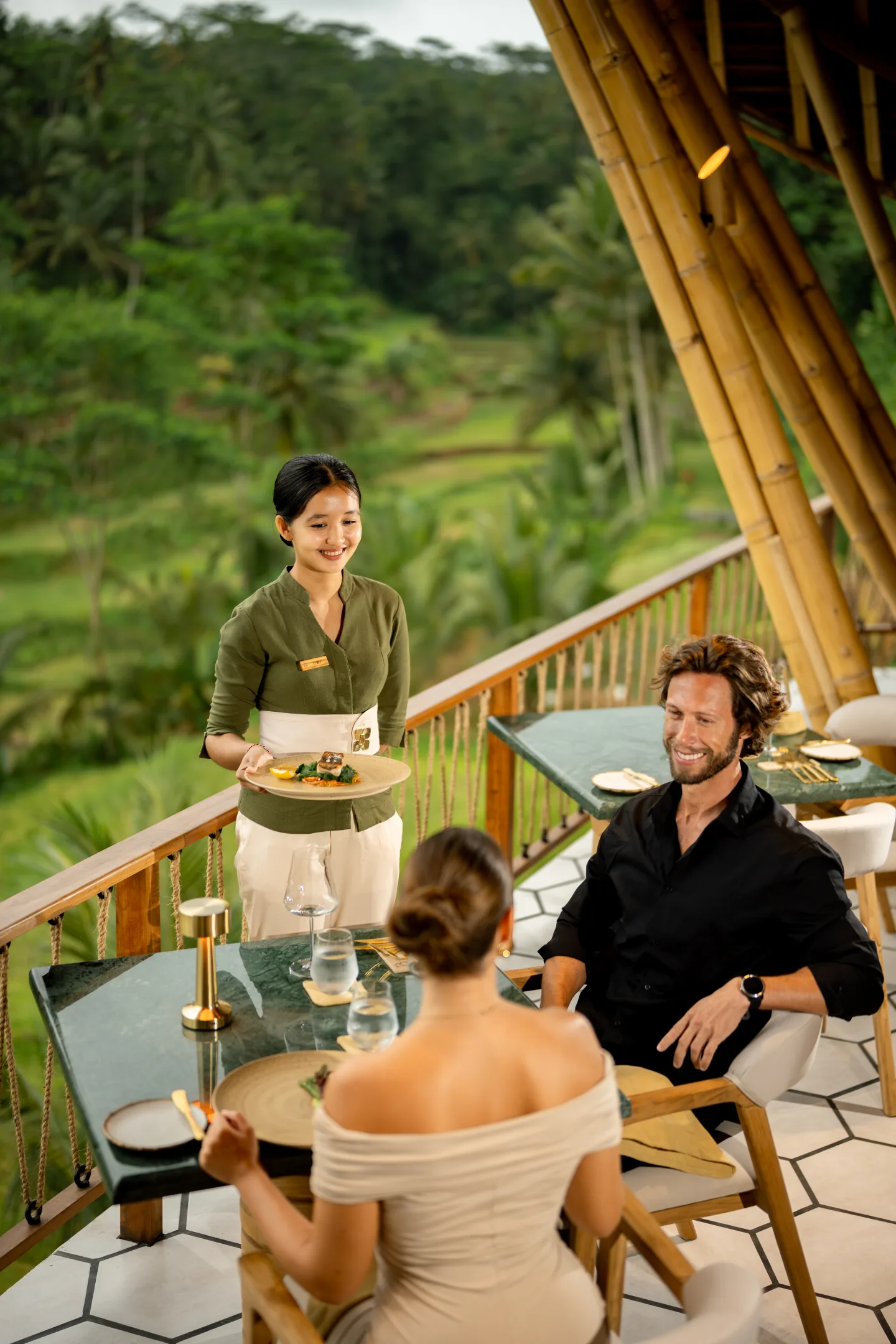
Located within this landscape, Bambootel offers a slower way to experience Tampaksiring: through village walks, sacred sites, local traditions, and moments spent close to the land. Because sometimes, the places we remember most are not the ones we set out to find. They are the ones that reveal themselves along the way.