





Bamboo is often hailed as the future of sustainable design. A material that grows quickly, stores carbon, and offers an alternative to more resource-intensive construction.
In Bali, however, bamboo does not need an introduction. It has been here for generations.
It has carried offerings to temples, sheltered communities during celebrations, filled villages with music, and carried the flavours of traditional cooking. Generations before bamboo became part of conversations about sustainability, it was already part of everyday life.
Bamboo has never been something separate from Balinese life. It has been carried, shaped, cooked with, and built with for generations.
It’s not simply a material, but part of a relationship between people, culture, and the natural world. And that relationship is at the centre of how we think about bamboo at Bambootel.
A material with a memory
In Bali, objects made by hand often carry stories far beyond their practical purpose.
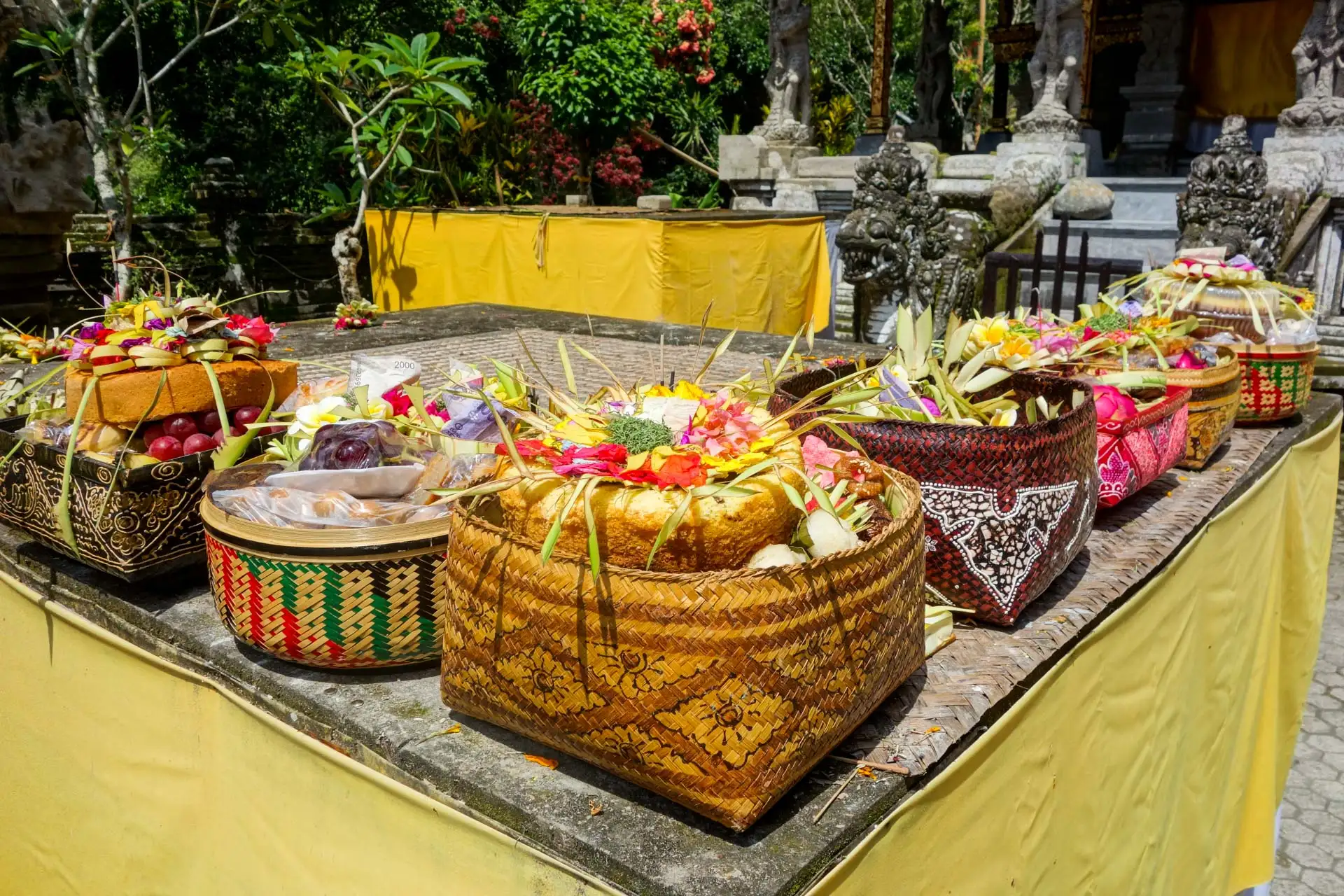
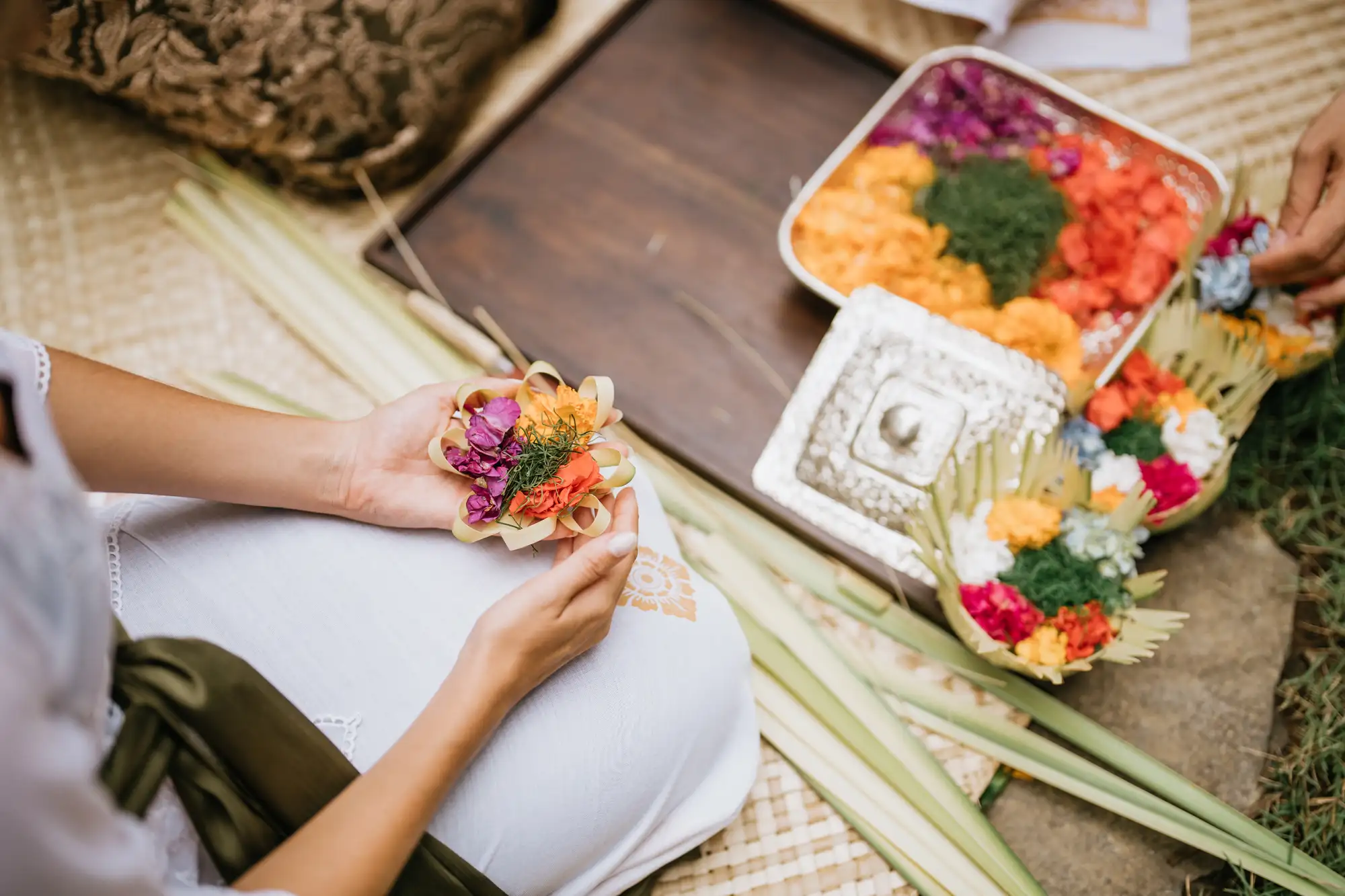
In the morning, a sokasi – a woven bamboo basket – may sit quietly inside a Balinese home before making its way to the temple. Filled with offerings prepared with care, it carries with it a daily expression of gratitude.
Its distinctive shape and intricate patterns are the result of a weaving tradition passed down through generations. Each sokasi carries the patience of the person who made it. Hands working slowly, following techniques refined over time. The name itself is believed to come from two words: ‘sok’, meaning ‘container’, and ‘nasi’, meaning ‘rice’. Its name reflects its earliest purpose: a container for cooked rice, carefully prepared and kept within the home.
Over time, its role evolved, becoming deeply connected with Balinese Hindu traditions and the ceremonies that continue to shape daily life. Prepared with devotion and presented with gratitude, these offerings represent a daily expression of respect – for the gods, for the community, and for the natural world that provides what is needed.
A simple bamboo vessel becomes something much greater. It becomes part of a living tradition – one shaped by craftsmanship, spirituality, and a relationship with nature that continues from one generation to the next.
Building spaces together
Before a ceremony begins, another tradition quietly takes place.
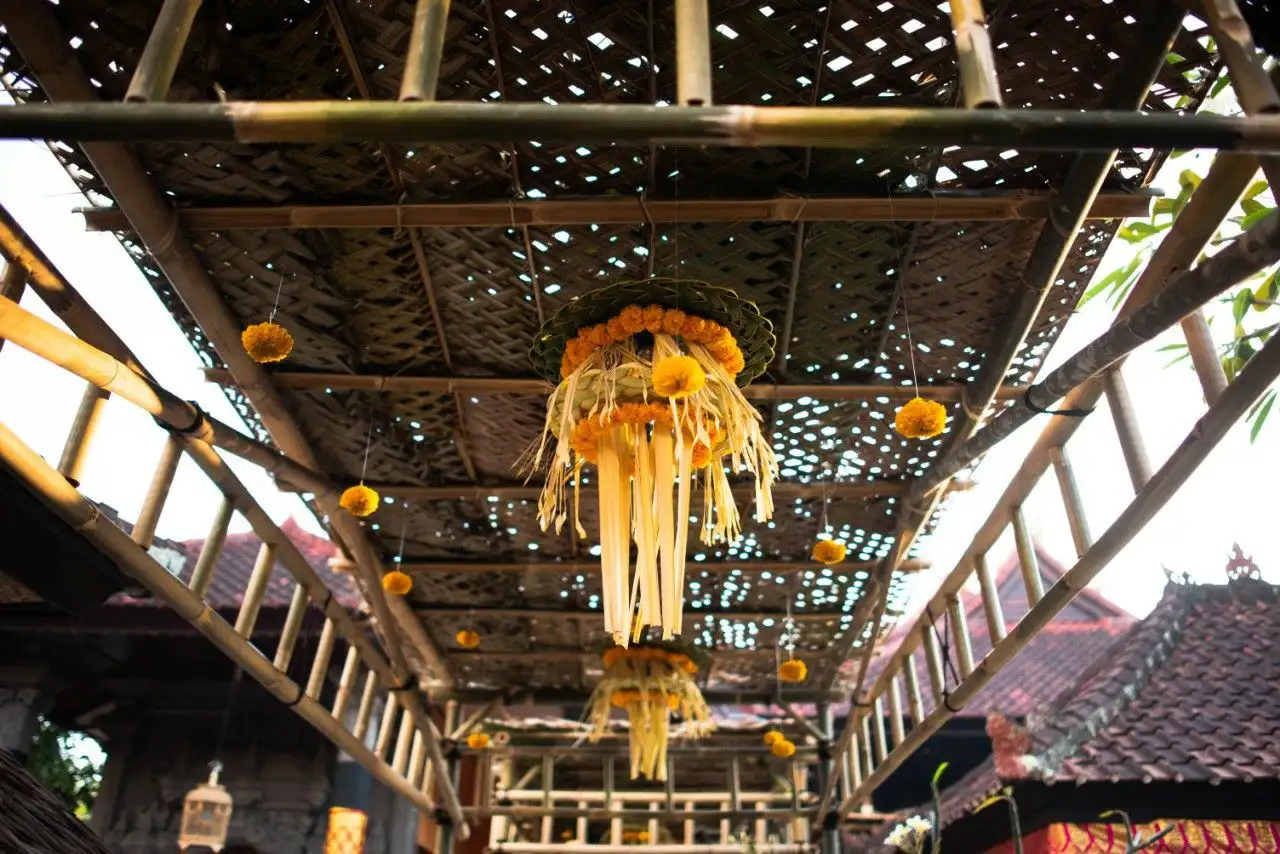
Lengths of bamboo are carried into place. Hands weave panels together. Someone ties the roof. Someone else arranges the seating beneath it. There is conversation, shared food, laughter, and the steady rhythm of people working side by side.
By the time guests arrive, the tetaring is ready.
Built from woven bamboo and natural materials, these temporary shelters appear across Bali for weddings, temple ceremonies, and community gatherings. They offer shade from the sun and shelter from the rain, but their real purpose reaches beyond the structure itself.
A tetaring is an expression of gotong royong — the Balinese tradition of mutual cooperation. Families, neighbours, and friends all contribute their time, skills, and effort, creating something together that no single person would build alone.
When the celebration is over, the shelter is taken down. The bamboo returns to the landscape or finds another purpose, leaving very little behind.
Except, perhaps, the memory. Because the real moment wasn’t only organising the bamboo overhead. It was the conversations shared while building it. The quiet satisfaction of creating something together. The feeling that the occasion had already begun long before the ceremony itself. In Bali, even temporary places can leave lasting impressions.


When bamboo finds its voice
Sometimes you hear bamboo before you notice it.
A soft melody drifts across the rice fields. It rises above birdsong, mingles with the breeze, then disappears again before you realise where it came from. The sound never feels like a performance. It simply becomes part of the landscape.
Often, it is the rindik.
Made from carefully cut lengths of bamboo and tuned to a traditional five-note scale, the rindik has accompanied Balinese life for centuries. Its gentle, rhythmic melodies are closely associated with Joged Bumbung, a traditional social dance where music, movement, and laughter naturally bring people together.
The suling offers a different voice.
Crafted from a single piece of bamboo, this traditional Balinese flute carries a lighter, more reflective sound. It weaves through gamelan performances, temple ceremonies, and sacred rituals, adding a sense of calm that feels as though it belongs to the island itself.
Neither instrument seeks to dominate the moment. They leave space for silence, for conversation, for the sounds of nature already surrounding them. Together, they remind us that Balinese music has never been about filling every quiet moment, but about knowing when quietness matters too.
Perhaps that’s why bamboo feels so at home in Bali.
The same material that shelters a family gathering, carries an offering to the temple, or cooks a celebratory meal can also become music. In the hands of skilled artisans, something that grows in the landscape is transformed into something that gives the landscape its own unmistakable voice.
Bamboo at the table
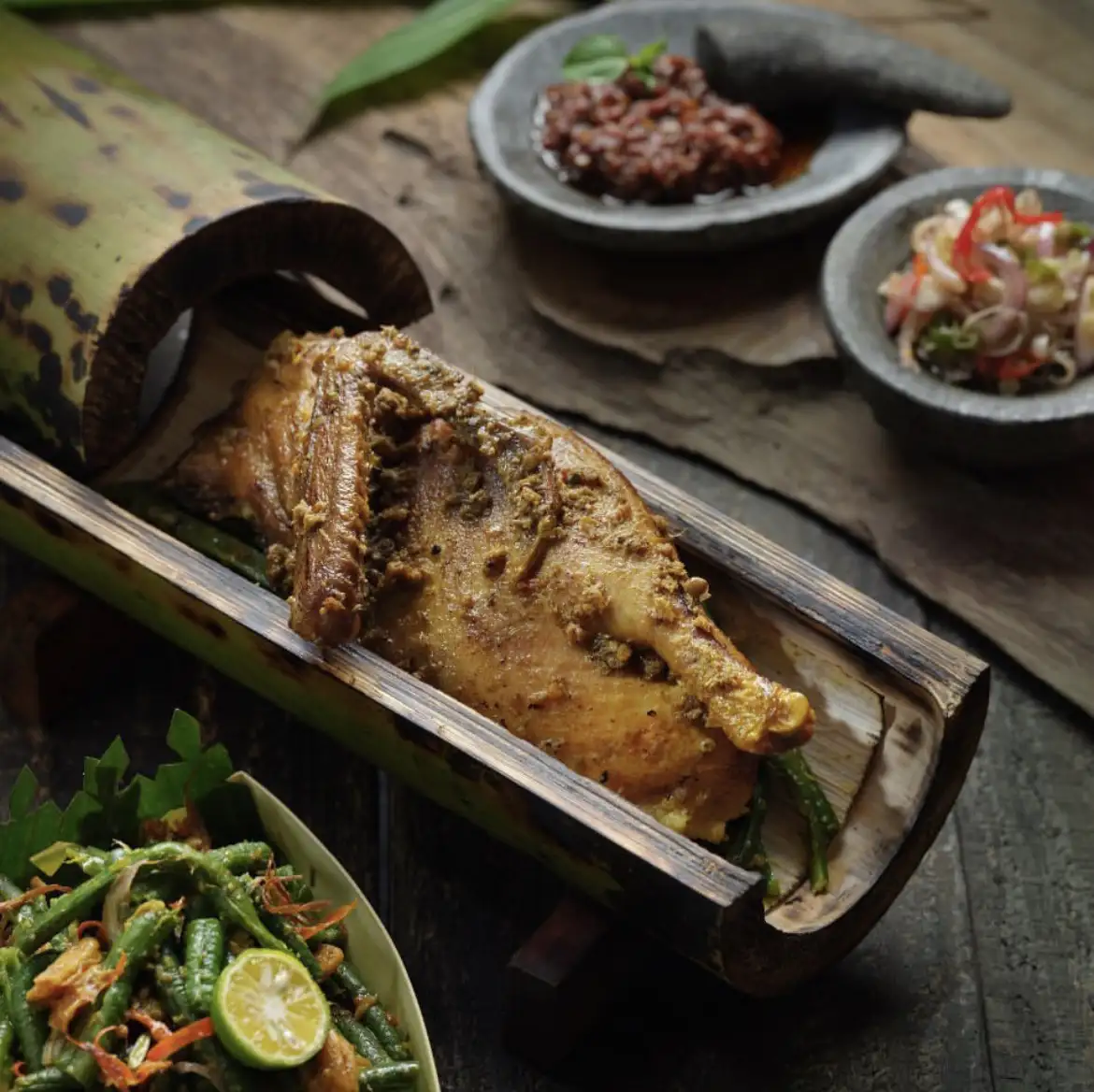
The aroma arrives before the meal does. Warm spices drift from the kitchen, carrying hints of smoke and herbs as friends and family gather around the table. Someone lifts the bamboo, releasing a cloud of fragrant steam. The first taste is familiar to some, entirely new to others, but the ritual of sharing it feels timeless.
This is Timbungan.
Named after the Balinese word ‘timbung’ or ‘embung’, which refer to different parts of the bamboo plant, the dish has been part of the island’s culinary traditions for centuries. Ancient manuscripts, including the Dharma Caruban, describe Timbungan as a dish prepared for religious ceremonies and served on occasions of special importance, once reserved for kings and nobles before becoming part of Bali’s wider culinary heritage.
What makes Timbungan memorable is not only the recipe, but the way it’s prepared. Bamboo is more than a cooking vessel. As the ingredients slowly cook within it, the bamboo lends its own subtle character to the dish, becoming part of its flavour as much as its story.
Like many Balinese traditions, Timbungan reflects an instinctive understanding of the natural world. Ingredients are gathered with care. Natural materials are used with purpose. Nothing feels separate from the landscape that provides it.
Today, sharing Timbungan is more than discovering a traditional recipe. It is a chance to experience a way of cooking that has been shaped by generations of knowledge, where bamboo is valued not simply for what it is, but for everything it quietly makes possible.
Continuing the bamboo story
Spend time in Bali and you begin to notice that bamboo is rarely treated as something extraordinary. It is simply part of life. It grows here, it belongs here, and for generations it has been shaped with care into objects, places, and traditions that remain woven into everyday living.
That understanding quietly influenced the way Bambootel was imagined too.
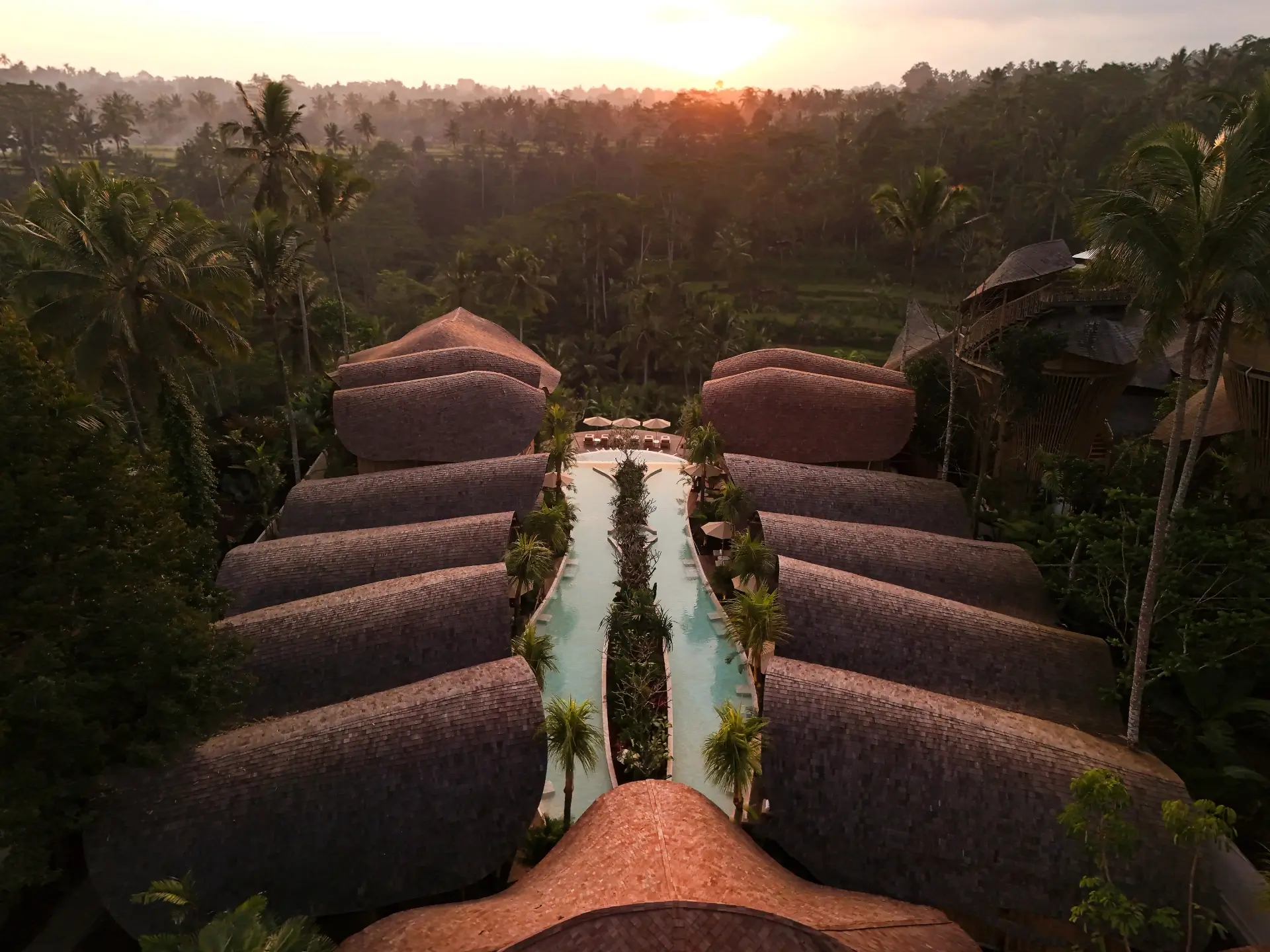
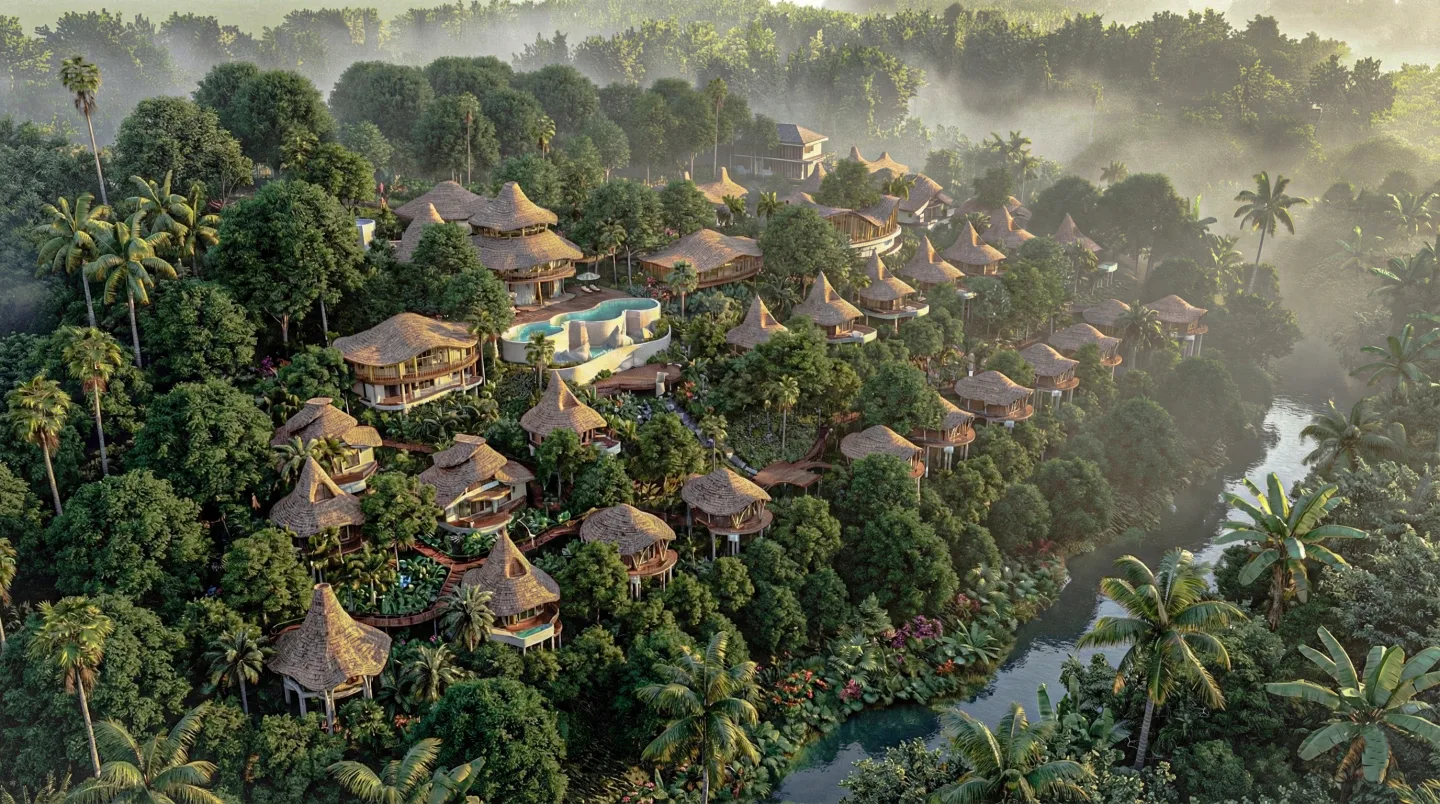
Our architecture draws on bamboo not simply because it’s beautiful, but because it reflects a long tradition of building in harmony with the landscape rather than against it. Every curve, every woven detail, every open space is inspired by a way of thinking that has existed in Bali long before we created our first hotel.
For us, bamboo is more than a building material. It’s a reminder that the places which leave the deepest impression are often those that feel as though they truly belong.
Perhaps that is bamboo’s greatest lesson. Not how quickly it grows, or how sustainably it can be used, but how naturally it connects people, place, and the stories that continue long after we leave.